
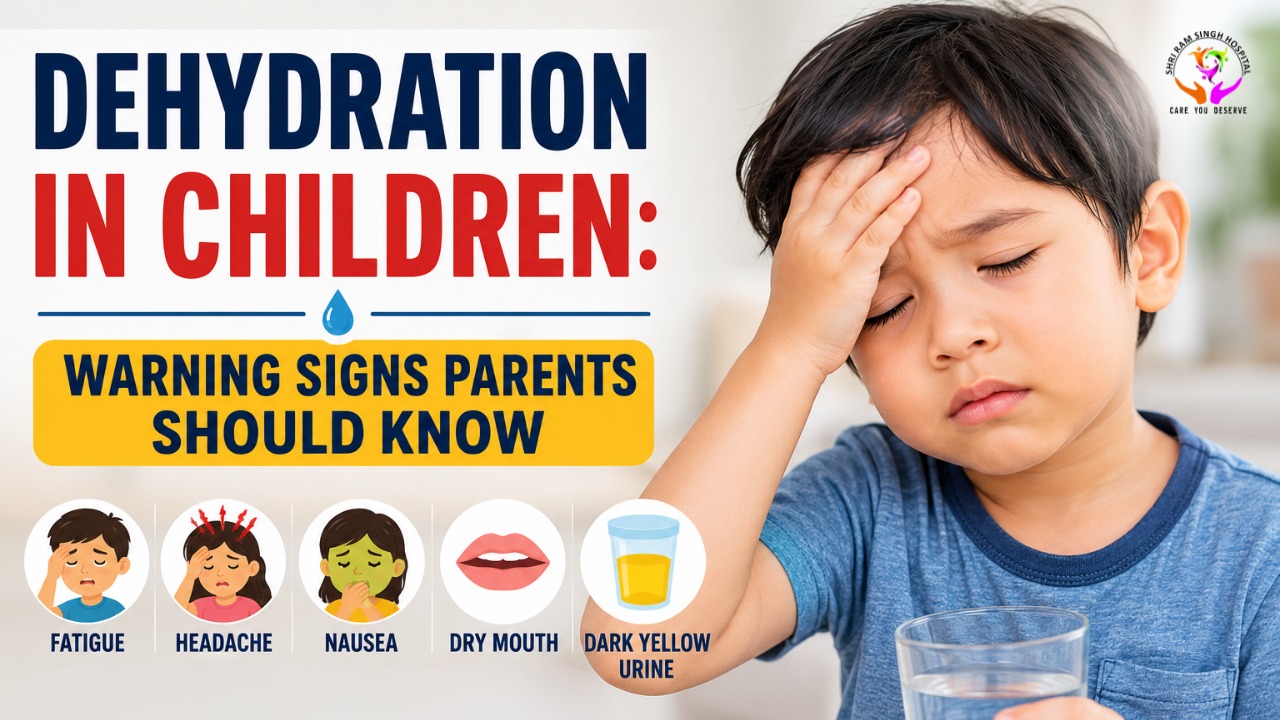
As temperatures rise during the summer months, children become more vulnerable to dehydration. Due to excessive sweating, outdoor activities, and inadequate fluid intake, dehydration can develop quickly and may become dangerous if not recognized early. Parents must understand the warning signs and preventive measures to keep their children healthy and safe during the hot season.
What is Dehydration?
Dehydration occurs when the body loses more fluids than it takes in. Water is essential for maintaining body temperature, digestion, circulation, and overall body function. Children are at a higher risk because their bodies lose fluids faster than adults.
Why Children Are More Prone to Dehydration in Summer
Children often:
- Play outdoors for long hours
- Forget to drink water while playing
- Sweat excessively during hot weather
- Lose fluids through vomiting, diarrhea, or fever
- Consume sugary drinks instead of water
Infants and toddlers are especially vulnerable because they cannot always express thirst or discomfort clearly.
Common Warning Signs of Dehydration in Children
Parents should watch for these early symptoms:
Mild Dehydration
- Dry lips and mouth
- Increased thirst
- Reduced urination
- Dark yellow urine
- Tiredness or weakness
- Headache
- Dizziness
Moderate to Severe Dehydration
- Sunken eyes
- No tears while crying
- Rapid heartbeat
- Irritability or unusual sleepiness
- Cold hands and feet
- Dry skin
- Confusion
- Difficulty waking up
- Very little or no urine for several hours
In infants, a sunken soft spot on the head can also be a sign of severe dehydration.
Dangerous Situations That Increase Risk
Children may become dehydrated faster during:
- Heat waves
- Outdoor sports and summer camps
- Fever or infections
- Vomiting and diarrhea
- Long travel journeys
- Excessive exposure to sunlight
How Parents Can Prevent Dehydration
Encourage Frequent Water Intake
Do not wait for children to ask for water. Offer fluids regularly throughout the day.
Include Hydrating Foods
Water-rich foods can help maintain hydration:
- Watermelon
- Cucumber
- Oranges
- Coconut water
- Yogurt
- Muskmelon
Avoid Sugary and Carbonated Drinks
Soft drinks and packaged juices may worsen dehydration due to high sugar content.
Dress Children in Light Clothing
Loose, cotton clothing helps reduce sweating and overheating.
Limit Outdoor Activities During Peak Heat
Avoid outdoor play between 11 AM and 4 PM when temperatures are highest.
Carry Oral Rehydration Solution (ORS)
ORS can help restore fluids and electrolytes if a child develops dehydration symptoms.
When Should Parents Seek Medical Help?
Consult a doctor immediately if your child:
- Is unable to drink fluids
- Has persistent vomiting or diarrhea
- Becomes unusually drowsy
- Has high fever with dehydration
- Shows confusion or breathing difficulty
- Stops urinating for many hours
Severe dehydration may require emergency treatment and intravenous fluids.
Summer Hydration Tips for Parents
- Keep a water bottle with your child at all times
- Offer homemade drinks like lemon water or buttermilk
- Remind children to drink water before and after playtime
- Monitor urine color — pale yellow usually indicates good hydration
- Increase fluids during illness or fever
Final Thoughts
Summer dehydration in children can become serious if ignored. Early recognition of warning signs and proper hydration habits can prevent complications and keep children active and healthy throughout the season. Parents should remain extra cautious during extreme heat and encourage healthy fluid intake daily.
If your child shows signs of dehydration or heat-related illness, seek timely medical advice to avoid emergencies.