

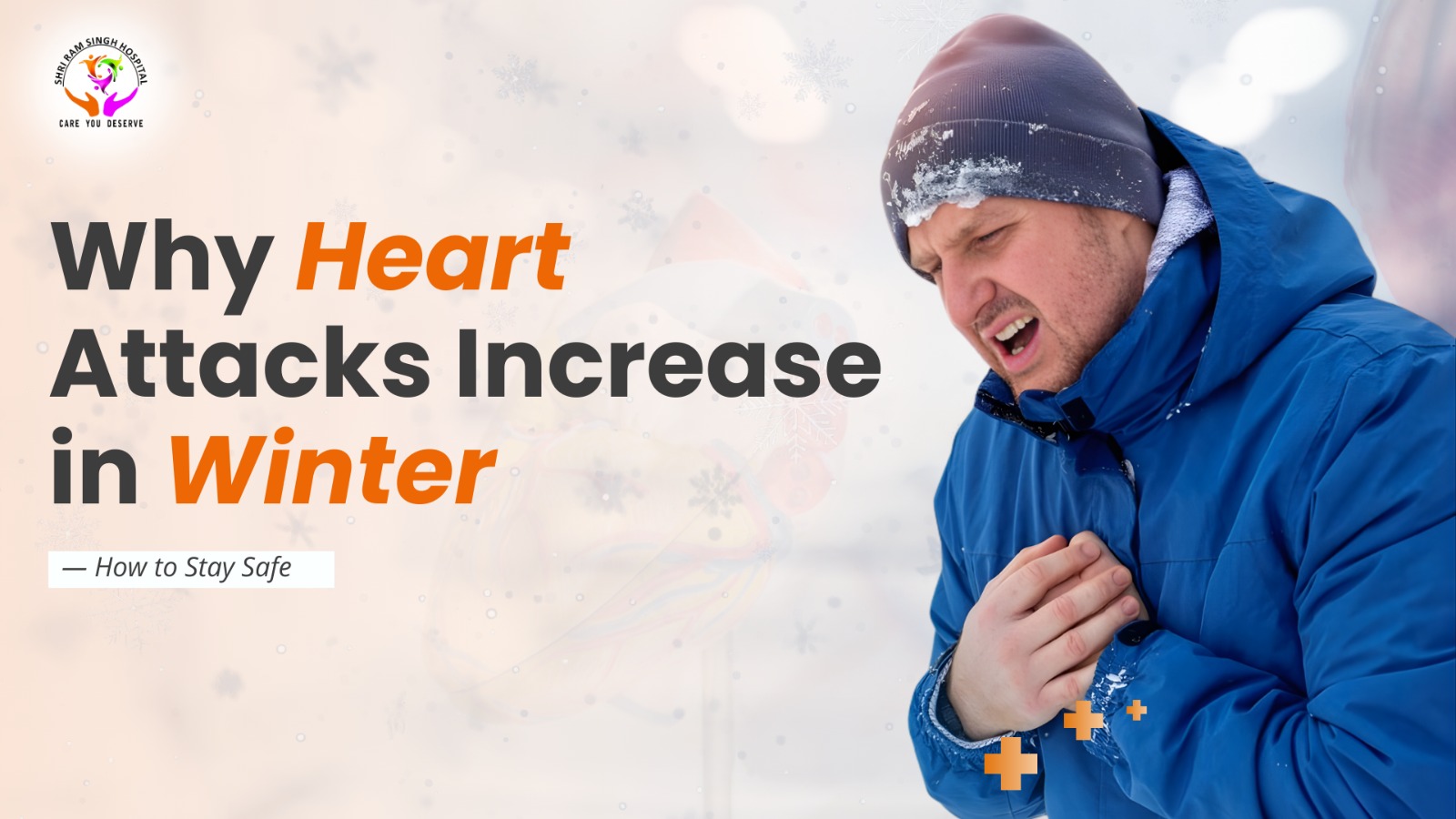
Winter is often associated with festive cheer and cozy moments, but it also brings a surprising health risk—an increased incidence of heart attacks. Studies show that heart-related emergencies rise significantly during colder months. Understanding why this happens and how to protect yourself can help you stay heart-healthy throughout winter.
Why Heart Attacks Are More Common in Winter
Cold weather constricts blood vessels, causing blood pressure to rise and making the heart work harder. This increases the risk of blood clots, which can trigger a heart attack. Winter also brings reduced physical activity, leading to weight gain, higher cholesterol levels, and poor blood circulation.
Respiratory infections like flu and pneumonia are more common in winter and can strain the heart, especially in people with existing heart disease. Additionally, holiday stress, overeating, smoking, and excessive alcohol consumption further increase cardiovascular risk.
Low sunlight exposure in winter may reduce vitamin D levels, which has been linked to heart health. Together, these factors create a perfect storm for heart-related problems during colder months.
How to Stay Safe in Winter
You can significantly reduce your risk with simple preventive steps:
- Keep warm: Dress in layers and protect your head, hands, and feet to prevent sudden blood vessel constriction.
- Stay active: Engage in indoor exercises like yoga, stretching, or walking to keep your heart strong.
- Eat heart-healthy foods: Choose warm, nutritious meals with fruits, vegetables, whole grains, and lean proteins. Limit salt and fried foods.
- Manage existing conditions: Monitor blood pressure, blood sugar, and cholesterol regularly.
- Get vaccinated: Flu infections can increase heart attack risk—vaccination offers added protection.
- Avoid sudden exertion: Activities like shoveling or heavy lifting in cold weather can strain the heart.
When to Seek Medical Help
Seek immediate medical attention if you experience chest pain, shortness of breath, sweating, dizziness, or pain radiating to the arm or jaw.
Conclusion
Winter doesn’t have to be dangerous for your heart. With awareness, healthy habits, and timely medical care, you can stay safe and protect your heart all season long.
Book Your Health Checkup Today
SRS Multispecialty Hospital
Call: 8971172563 | 9899925183
Visit:www.shriramsinghhospital.com